

Professor Wei JIA 賈偉
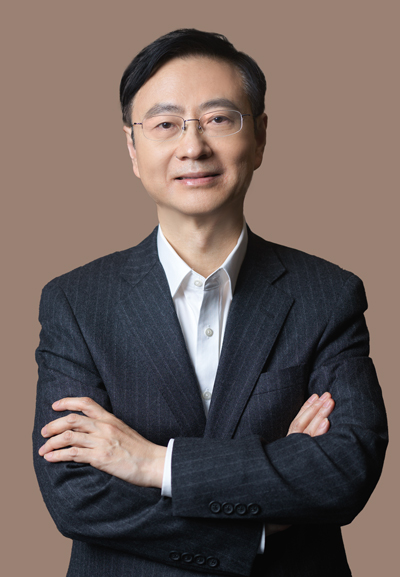
Chair Professor
Vivian Taam Wong Professor in Integrative Medicine
- BSc, MSc, PhD


Biography
Professor Wei Jia completed his M.S. and Ph.D. in radiopharmaceutical science at the University of Missouri-Columbia. At the age of 36, he achieved the rank of full professor and went on to establish and manage successful interdisciplinary research programs in both academic and industrial settings. With over 30 years of experience in the medical field, Professor Jia has held various administrative positions, including Executive Vice Dean of the School of Pharmaceutical Sciences at Tianjin University (2001-2002); Associate Dean of the School of Pharmacy at Shanghai Jiao Tong University (2003-2008); and founding Director of the Center for Translational Biomedical Research at University of North Carolina at Greensboro (2008-2013). In addition, he has served as Director of the Center for Translational Medicine, Shanghai Jiao Tong University affiliated 6th People's Hospital since 2010, Associate Director of the University of Hawaii Cancer Center from 2013 to 2019, and more recently, Acting Dean of School of Chinese Medicine at Hong Kong Baptist University.
Professor Wei Jia is a distinguished member of the Academia Europaea, having been elected to the Physiology & Neuroscience Section in 2023. His outstanding contributions to the field of scientific research have earned him consistent recognition on the "Highly Cited Chinese Researchers" list by Elsevier, the “Global Highly Cited Researchers” list by Clarivate, and the "World's top 2% scientists" list by Stanford University. Notably, his groundbreaking research on the interaction between melamine in infant formula and childhood gut bacteria, leading to kidney toxicity, was selected as one of the top ten scientific breakthroughs by Science magazine in 2013. He developed the world's first quantitative, automated metabolite array for high-throughput profiling in 2021 and has since developed an AI-driven next-generation metabolomics platform capable of measuring the largest number of metabolites in a single analysis.
His recent work sits at the intersection of metabolomics, artificial intelligence, and computational medicine, with a particular focus on applying machine learning, deep neural networks, and large-scale, high-dimensional data modeling frameworks to decode complex metabolic systems and enable predictive, data-driven precision medicine, with an emphasis on translating AI models into clinically actionable insights in human disease. His work contributes to the emerging paradigm of AI-enabled systems medicine, where large-scale biological and clinical data are leveraged to construct predictive models of human health, disease progression, and therapeutic response.
Memberships & Editorships
Memberships:
- Member of Academia Europaea (Physiology & Neuroscience Section), 2023
- Founding Member and Vice Chairman of the Chinese Society of Metabolomics, since 2019
- Founding Member and Standing Director of the Analytical Pharmacology Professional Committee of the Chinese Pharmacological Society, since 2019
- Founding Member of the Metabolomics Association of North America, since 2012
Editorships:
Editorial Board member of:
- Cell Death & Differentiation, since 2023
- iMeta, since 2023
- Cancers, since 2022
- Cell Death & Disease, since 2020
- Molecular Phenomics, since 2017
- Chinese Herbal Medicine (International), since 2010
- Journal of Ethnopharmacology, since 2005
Honours and Awards
- 2023 President’s Award for Outstanding Performance in Scholarly Work in 2023, Hong Kong Baptist University
- 2016 Natural Science Award, Shanghai Municipal Government, China
Research Interests
Prof. Jia's research focuses on the molecular mechanisms connecting metabolic disruptions in gut microbial-host co-metabolism to various human diseases. His work spans metabolic disorders (such as type 2 diabetes and hepatic steatosis), cancer metabolism, neuropsychiatric conditions, neurodegenerative diseases, and gut microbiota-xenobiotic interactions contributing to systemic toxicity. By elucidating these mechanisms, his goal is to identify novel therapeutic targets and develop more effective treatments.
Complementing his mechanistic studies, Prof. Jia's lab has developed an AI-driven, next-generation metabolomics platform that integrates large-scale clinical data with machine learning and deep neural networks. This platform supports diagnostics and prognostics for chronic diseases such as liver and cardiovascular conditions, depression, and mild cognitive impairment, while also assessing gut health and extending to traditional Chinese medicine (TCM) for metabolomics-based diagnostics within a TCM framework. A central focus is creating AI-enabled computational frameworks—including multi-omics integration, representation learning, and predictive modeling—to transform metabolomics from a primarily descriptive science into a quantitative, predictive discipline with broad clinical applications.
Prof. Jia’s lab has established a highly regarded, two-decade-long metabolomics program focused on the quantitative profiling of endogenous small molecules and trace elements from diverse biological specimens, including blood, urine, saliva, cell lysates, and tissues from both humans and experimental animals. The program comprises several key components:
- Targeted Analysis: High-sensitivity, high-throughput measurement of metabolic fluxes and pathways using isotope-labeled standards with LC-MS/MS and GC-MS platforms.
- AI-Enhanced Unbiased Profiling: Integration of high-resolution mass spectrometry with machine learning, statistical algorithms, and pattern recognition for novel metabolite discovery, biomarker identification, and disease-specific metabolic signatures.
- Microbial Metabolome Profiling: Automated quantitative profiling of the microbial metabolome, combined with bioinformatics, network analysis, and computational modeling for integration with metagenomic data.
- Disease Phenotyping & Personalized Medicine: AI-driven classification and prediction of disease phenotypes based on metabolic signatures, aiding patient stratification and personalized treatment approaches.
Tools & Resources
Our group places strong emphasis on research rigor, reproducibility, and clear scientific communication. We encourage trainees and collaborators to explore modern computational, metabolomics, and AI-assisted tools across the research lifecycle, from mass spectrometry data processing and network analysis to predictive modeling and manuscript preparation.
Representative tools and platforms in the field:
- MetaboAnalyst - for metabolomics statistics, biomarker analysis, pathway analysis, and functional interpretation
- XCMS - for reproducible LC-MS and GC-MS preprocessing workflows in R
- MZmine - for mass spectrometry data processing, visualization, and feature annotation
- Cytoscape - for network and pathway visualization
- PyTorch - for machine learning and deep learning workflows in predictive modeling
- Manusights - for structured pre-submission manuscript feedback, study framing, and journal selection and positioning
Publications
Selected Publications
- Tang Y, Kuang J, Xia X, Yao C, Zhou Z, Liu J, Ren Z, Ding K, Li M, Li Y, Jiao F, Zheng D, Chen T, Zhao A, Wan X, Ji G, Zhang S, Zheng X, Jia W. Targeting microbiota-generated acetaldehyde to prevent progression of metabolic dysfunction-associated steatotic liver disease. Cell Metabolism. 2026 Mar 2:S1550-4131(26)00043-4. doi: 10.1016/j.cmet.2026.02.001.
- Zhao ML, Ren ZX, Zhao AH, Tang YJ, Kuang JL, Li MC, Chen TL, Wang SL, Wang JY, Zhang HH, Wang JJ, Zhang TH, Zeng JH, Liu XH, Xie GX, Liu PH, Sun N, Bao TH, Nie TT, Lin JC, Liu P, Zheng YY, Zheng XJ, Liu TM, Jia W. Gut bacteria-driven homovanillic acid alleviates depression by modulating synaptic integrity. Cell Metabolism. 2024;36:1000–1012.
- Chen TL, Pan FF, Huang Q, Xie GX, Chao XW, Wu LR, Wang J, Cui L, Sun T, Li MC, Wang Y, Guan YH, Zheng XJ, Ren ZX, Guo YH, Wang L, Zhou KJ, Zhao AH, Guo QH, Xie F, Jia W. Metabolic dysregulation in Alzheimer's disease: emerging role of ammonia abnormality. Nature Communications. 2024;15(1):3796.
- Zheng D, Zhang HH, Zheng XJ, Zhao AH, Jia W. Novel microbial modifications of bile acids and their functional implications. iMeta. 2024;3(5):e243.
- Kuang JL, Wang JY, Li YT, Li MC, Zhao ML, Ge K, Zheng D, Cheung K, Liao BY, Wang SL, Chen TL, Zhang YN, Wang CR, Ji G, Chen P, Zhou HW, Xie C, Zhao AH, Jia WP, Zheng XJ, Jia W. Hyodeoxycholic acid alleviates nonalcoholic fatty liver disease through modulating the gut-liver axis. Cell Metabolism. 2023;35(10):1752–1766.
- Li MC, Wang SL, Li YT, Zhao ML, Kuang JL, Liang DD, Wang JY, Wei ML, Rajani C, Ma XR, Tang YJ, Ren ZX, Chen TL, Zhao AH, Hu C, Shen CX, Jia WP, Liu P, Zheng XJ, Jia W. Gut microbiota-bile acid crosstalk contributes to the rebound weight gain after calorie restriction in mice. Nature Communications. 2022;13(1):2060.
- Zheng XJ, Chen TL, Jiang RQ, Zhao AH, Wu Q, Kuang JL, Sun DN, Ren ZX, Li MC, Zhao ML, Wang SL, Bao YQ, Li HT, Hu C, Dong B, Li DF, Wu JY, Xia JL, Wang XM, Lan K, Rajani C, Xie GX, Lu AP, Jia WP, Jiang CT, Jia W. Hyocholic acid species improve glucose homeostasis through a distinct TGR5 and FXR signaling mechanism. Cell Metabolism. 2021;33(4):791–803.
- Zheng XJ, Chen TL, Zhao AH, Ning ZC, Kuang JL, Wang SL, You YJ, Bao YQ, Ma XJ, Yu HY, Zhou J, Jiang M, Li MC, Ma XH, Zhou SP, Li YT, Ge K, Rajani C, Xie GX, Hu C, Guo YK, Lu AP*, Jia WP, Jia W. Hyocholic acid species as novel biomarkers for metabolic disorders. Nature Communications. 2021;12:1487
- Huang FJ, Zheng XJ, Ma XH, Zhou WY, Zhou SP, Jiang RQ, Zhang YJ, Lei S, Wang SL, Kuang JL, Han XL, Wei ML, You YJ, Li MC, Li YT, Liang DD, Liu JJ, Chen TL, Yan C, Wei RM, Rajani C, Shen CX, Xie GX, Bian ZX, Li HK, Zhao AH, Jia W. Theabrownin from Pu-erh tea attenuates hypercholesterolemia via modulation of gut microbiota and bile acid metabolism. Nature Communications. 2019;10(1):4971.
- Jia W, Xie G, Jia W. Bile acid-microbiota crosstalk in gastrointestinal inflammation and carcinogenesis. Nature Reviews Gastroenterology & Hepatology. 2018;15(2):111-128.
- Chen WL, Wang YY, Zhao AH, Xia L, Xie GX, Su MM, Zhao LJ, Liu JJ, Qu C, Wei RM, Rajani C, Ni Y, Cheng Z, Chen Z, Chen SJ, Jia W. Enhanced fructose utilization mediated by SLC2A5 is a unique metabolic feature of acute myeloid leukemia with therapeutic potential. Cancer Cell. 2016; 30(5):779–791.
- Chen WL, Wang JH, Zhao AH, Xu X, Wang YH, Chen TL, Li JM, Mi JQ, Zhu YM, Liu YF, Wang YY, Jin J, Huang H, Wu DP, Li Y, Yan XJ, Yan JS, Li JY, Wang S, Huang XJ, Wang BS, Chen Z, Chen SJ, Jia W. A distinct glucose metabolism signature of acute myeloid leukemia with prognostic value. Blood. 2014;124(10):1645–1654.
- Jia W, Li H, Zhao L, Nicholson JK. Gut microbiota: a potential new territory for drug targeting. Nature Reviews Drug Discovery. 2008; 7(2):123-129.
Full publication record: https://orcid.org/0000-0002-3739-8994
Funding
| T12-202/23-R (PC Jia) | Oct 2023 – Sept 2024 |
| RGC Exploratory Theme-based Research Scheme | $7.285M Direct |
| Dysregulated host-gut microbiota co-metabolism in metabolic associated fatty liver disease | |
| 82270917 (PI Jia) | Jan 2023 – Dec 2026 |
| National Natural Science Foundation of China - General project | ¥520,000(direct cost) |
| Heoxycholic acid reyodgulates hepatic lipid metabolism through Parabacteroides distasonis – succinate- hepatic CYP7B1 signaling. | |
| 81974073 (PI Jia) | Jan 2020 – Dec 2023 |
| National Natural Science Foundation of China - General project | ¥550,000(direct cost) |
| Effects of intestinal BSH positive bacteria – FXR-ASBT mediated taurocholic acid on hepatic encephalopathy. | |
| SDF19-1216-P03 (PI Jia) | Jan 2020 – Dec 2022 |
| HKBU/SDF | $5,059,359.00/3yrs |
| Development of Innovation Capabilities for Hong Kong Traditional Chinese Medicine Phenome Research Centre | |
| 1U01CA188387-01A1 (PI Jia) | 8/1/15-7/31/20 |
| NIH/NCI - USA | $360,000/year (direct cost) |
| Gut microbiota mediated bile acid alterations in hepatic carcinogenesis The objective of this project is to elucidate an important mechanism of gut microbiota-mediated intrahepatic accumulation of cytotoxic bile acids in the hepatic carcinogenesis, and to use this knowledge to regulate bile acid transport to protect against the development of cirrhosis and cancer. | |



